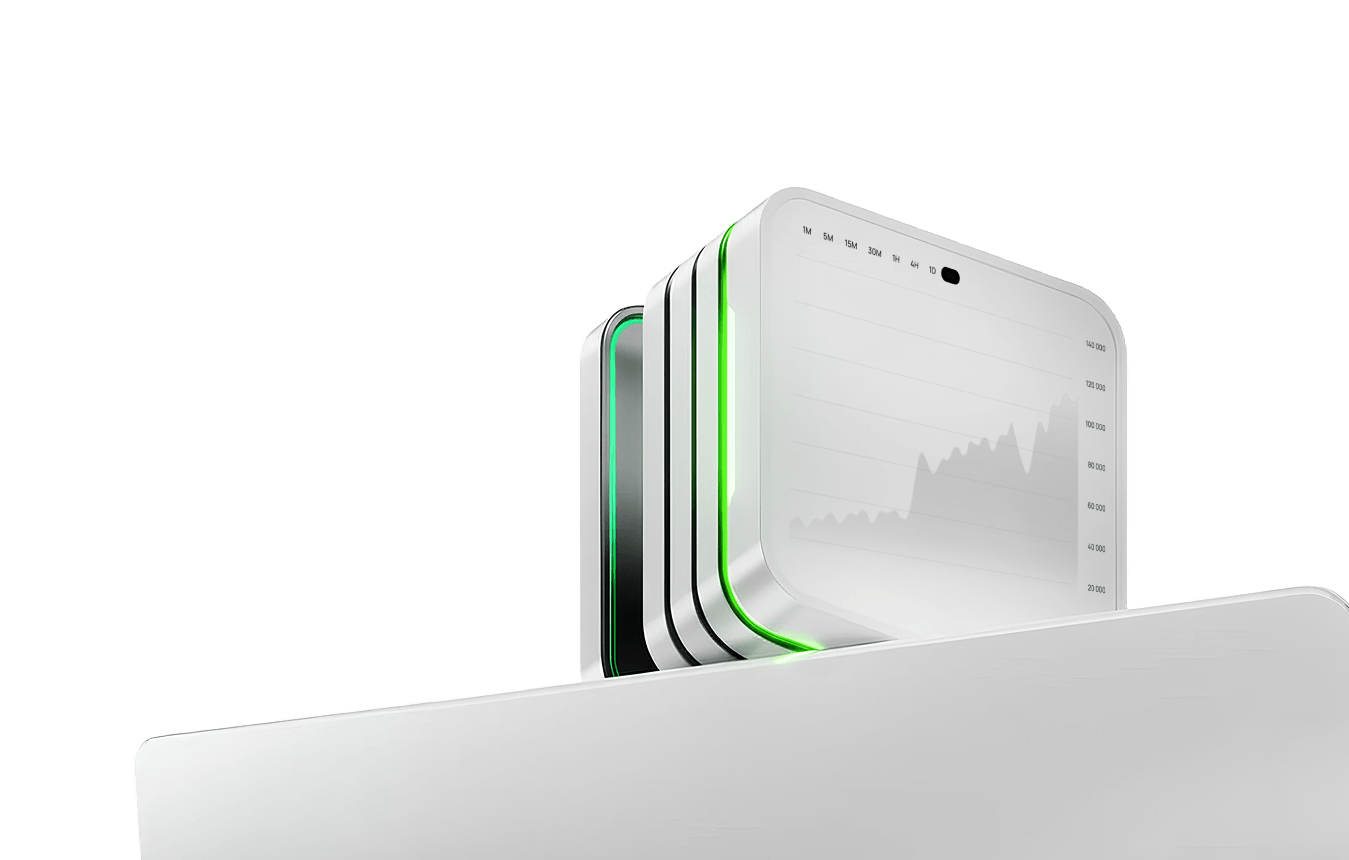


Trade With No Commission
Reduce your costs and boost your returns with zero commissions.
1:50 leverage
Amplify your investment potential by opening leveraged positions.
Fund's Protection
All client deposits are insured and held in segregated accounts.
Microlots available
Manage your positions precisely thanks to investment volumes available from 0.01 lot.
Trade the economy,
not individual stocks
Broad market exposure
Indices track groups of companies across sectors or entire economies.
Lower single-stock risk
Performance is not dependent on the results of one company alone.

Macro-driven strategies
Used to express views on economic trends and long-term growth.
Loading...
Diversify your portfolio with access to over 3,000 trading instruments
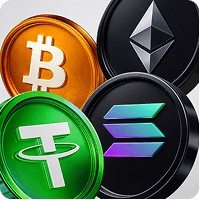
Crypto
Trade leading crypto with deep liquidity.
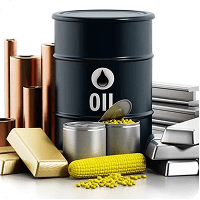
Commodities
Gold, oil, and natural gas — diversify with real assets.
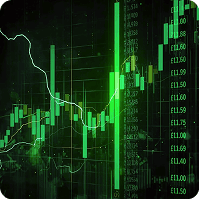
Futures
Manage risks with future contracts across global markets.
Swaps
Explore swap specifications and trading details.
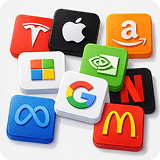
Stocks
Trade global stocks from leading companies across major markets.
Forex
Access 40+ currency pairs with tight spreads.
Indices are financial instruments that track the performance of a group of assets, such as equities. Trading indices means gaining exposure to an entire market or sector with a single trade. By reflecting the performance of multiple companies, indices aim to represent the broader state of an economy or industry. This diversification makes index trading a popular starting point for new traders.
Indices cannot be bought outright like individual shares. Instead, trading allows you to gain exposure to index price movements without owning the underlying assets. This gives you access to an entire sector or economy with one position, while also allowing you to go long or short depending on market expectations.
To start trading indices, open and fund an account on a platform that offers index CFDs. Choose an index and decide whether to buy (go long) or sell (go short) based on your market outlook. Before opening a position, consider volatility, position size, and apply risk management tools such as stop-loss orders.
Index prices are driven by the performance of the underlying companies. Corporate earnings, sector trends, and major company news can directly influence movements. Broader factors such as economic data, central bank policies, interest rates, inflation, and geopolitical events also impact overall index performance.
Indices trading involves market risk, as prices can change rapidly due to economic or political developments. When trading leveraged products like CFDs, both potential profits and losses are amplified. Proper risk management is essential to control exposure and protect capital.
High trust score



More than 15 Global Awards












We operate under trusted international licenses, ensuring transparency and security for every client.