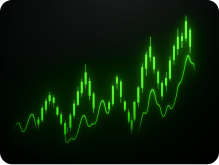
Assets backed by the real world
Supply and demand dynamics
Prices respond to production levels, consumption and inventory changes.

Geopolitics and seasonality
Natural cycles and global events play a key role in price movements.

Inflation sensitivity
Commodities are commonly used to hedge against rising prices.

Trade With No Commission
Reduce your costs and boost your returns with zero commissions.
1:1000 leverage
Amplify your investment potential by opening leveraged positions.
Fund's Protection
All client deposits are insured and held in segregated accounts.
Best Execution of Trades
Over 93.6% of orders are executed at the requested price or at an even better price.
Loading...
Diversify your portfolio with access to over 3,000 trading instruments

Crypto
Trade leading crypto with deep liquidity.
Indices
Track the world's top indices like S&P 500 and NASDAQ.
Futures
Manage risks with future contracts across global markets.
Swaps
Explore swap specifications and trading details.

Stocks
Trade global stocks from leading companies across major markets.

Forex
Access 40+ currency pairs with tight spreads.
Commodities trading is the buying and selling of raw materials or primary agricultural products. There are hard commodities, such as gold or oil, and soft commodities, including livestock and agricultural goods. Today, traders can access commodity price movements through financial markets without taking physical delivery of the underlying asset.
Trading commodities gives you exposure to assets like oil, gas and metals without the need to store or physically own them. Commodities are often viewed as a potential hedge against inflation, as their prices are not always closely correlated with other financial markets. Gold, in particular, has historically been considered a safe-haven asset during periods of economic uncertainty.
To start trading commodities, open and fund an account on a platform that offers commodity CFDs. Choose a commodity and decide whether to buy (go long) or sell (go short) based on your market outlook. Before opening a position, consider volatility, position size and apply risk management tools such as stop-loss orders.
Commodities prices are mainly driven by supply and demand dynamics. Production levels, inventory data, weather conditions and geopolitical events can significantly impact markets, particularly in energy and agriculture. Macroeconomic trends, currency movements and global growth expectations also influence pricing.
Commodities trading involves market risk due to price volatility and sensitivity to global economic and political developments. Sudden shifts in supply, demand or investor sentiment can lead to sharp price movements. When trading leveraged products such as CFDs, both potential gains and losses are amplified, making effective risk management essential.
High trust score



More than 15 Global Awards











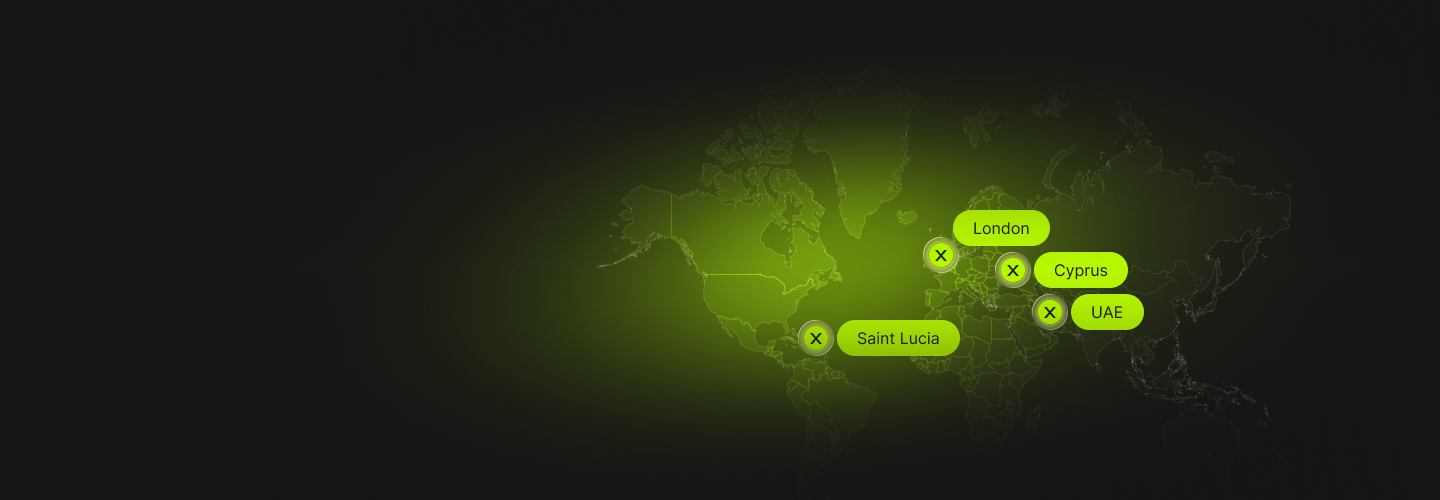
We operate under trusted international licenses, ensuring transparency and security for every client.